
Did you know the waste from poultry farms is considered a valid feed source for cattle?
Hard as it is to believe, that’s true — the manure from chicken and turkey barns can be fed to beef cattle in our country.
With practices like that, it’s no wonder that our customers are grateful to us that we don’t take shortcuts to raise our beef as cheaply as possible.
What do I mean by “cheap” mean, anyway?
When I (Tanya) was growing up, my family tended to use the word “cheap” to mean “inexpensive” or “worth more than its cost.” I might say, “Wow, those shoes are so cheap, I’m going to buy them!”
But in my husband Aaron’s family, “cheap” meant “poorly made; shoddy craftsmanship.” Aaron considers the word “cheap” to be an insult, and if he wants to say something is a good deal, he would use the word “inexpensive” or “good value” or “bargain.”
With that definition in mind, you can see why we’re proud to say: We don’t raise cheap beef.
And it makes sense that our customers are thankful that we don’t raise cheap beef!
If a customer wants cheap beef, they can head to a number of discount shopping centers and pick up a package (and take the gamble that it was raised eating chicken poop). But the beef we raise is different, and our customers appreciate it!
We work hard to provide an excellent value in our beef. A quality product that we offer at a fair price. But because of the high quality and the demands that go along with raising quality beef, the finished product is not “cheap,” nor does it tend to be inexpensive.

We could raise cheap beef …
… by taking a bunch of shortcuts that we don’t want to take, and our customers don’t want us to take.
Instead, we take the slow path, and thoughtfully raise the quality beef that our customers demand.
We could fatten our steers to finishing weight by 18 months (or less!), as is standard in the industry …
… by fattening them with GMO corn, grains, and other unnatural calorie-dense foods.
Instead, we feed them their biologically natural diet of grass and forbs, and end up with nutrient-dense beef that takes 24 to 36 months to finish.

We could avoid the costly investment of owning hundreds of acres of pasture for our cattle to graze on …
… by confining our cattle into a feedlot. These crowded conditions often have farmers propping up the health of their herd with antibiotics.
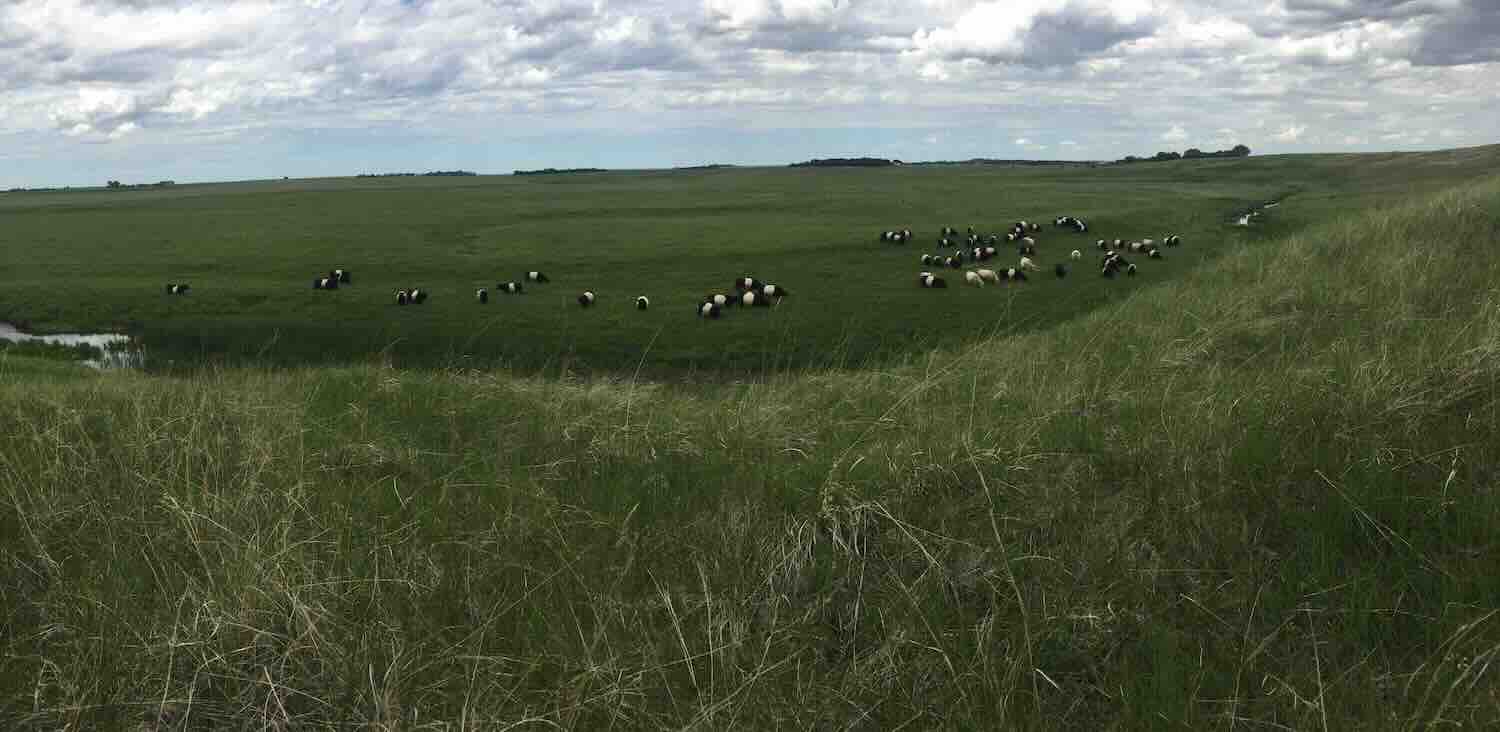
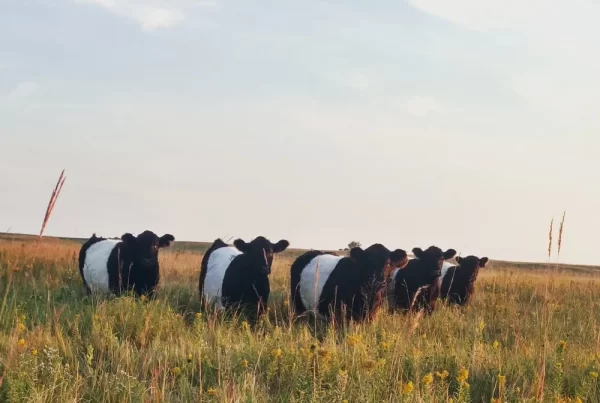
Instead, we keep our herd healthy by putting them in their natural environment of rotationally grazing across open pastures.

We could get more meat out of each harvest, saving money on processing …
… by raising larger, conventional breeds of cattle that don’t finish well on grass.
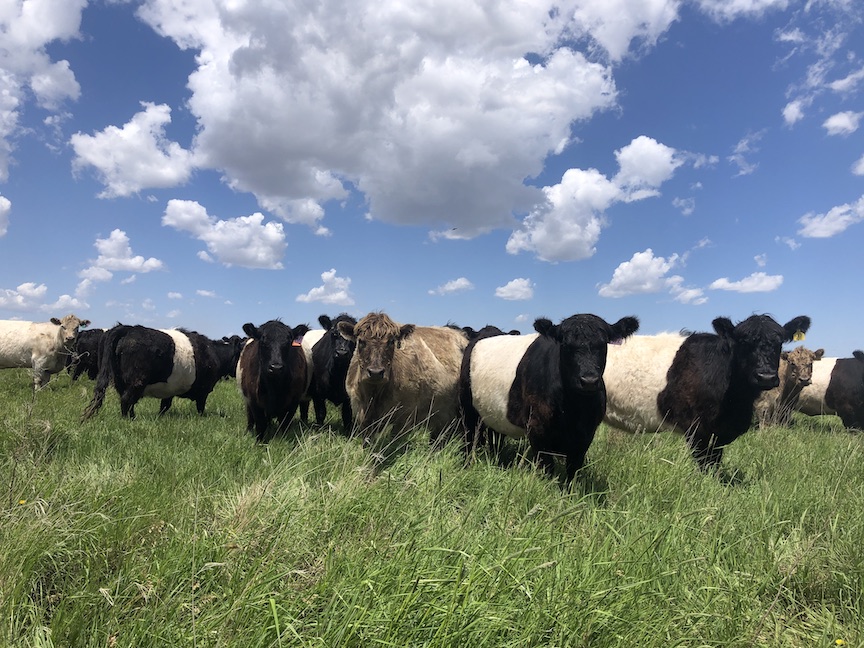
Instead, we choose to raise smaller framed heritage breed cattle that may cost more per pound at the butcher, but make up for it in juicy, tender, flavorful meat.
We could bring our cattle to finishing weight sooner …
… by pumping them full of growth hormones, leading to health complications in people eating that meat.
Instead, we let our cattle grow at their own rate, with no added hormones, to end up with meat that you can feed your family with a clear conscience.
We could bring down the costs of feeding our herd …
… by bringing in cheap feeds like expired candy, molasses, GMO grains, and even, yes, waste from poultry farms.
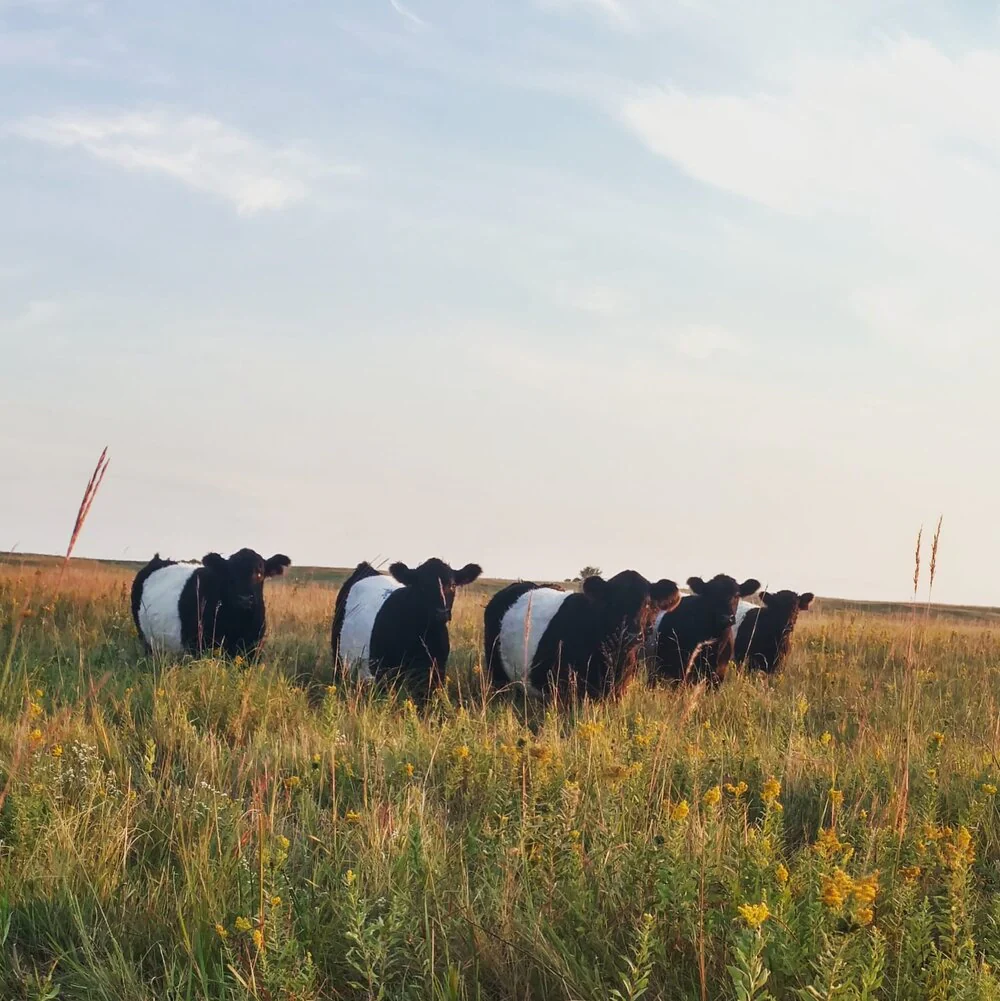
Instead, we go the extra mile and raise our own hay and haylage so that we know our cattle are eating quality feed to keep them healthy and safe.
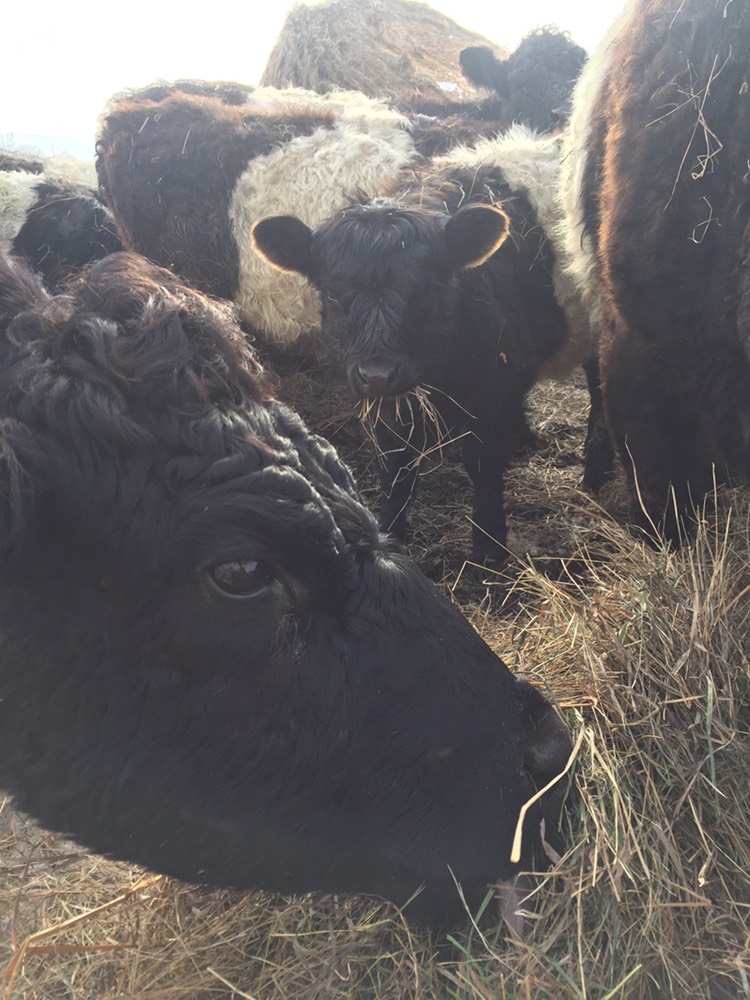
We could maximize each breeding cycle for efficient herd growth …
… by utilizing synthetic hormones to breed our cows.
Instead, we do things the old fashioned way: no artificial hormones, just bulls and cows making babies.
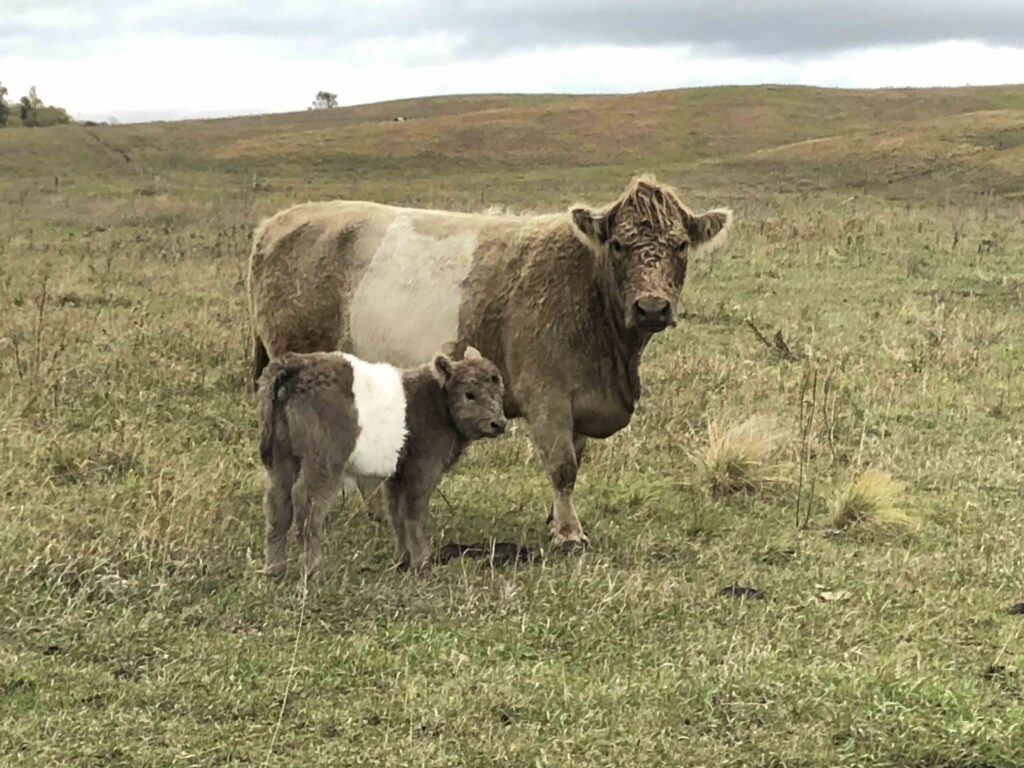
We know our beef isn’t “cheap” — and we’re okay with that.
We don’t strive to create cheap food. We strive to create quality food that you can serve with confidence to your family.
Cheers to delicious, quality food!
Tanya


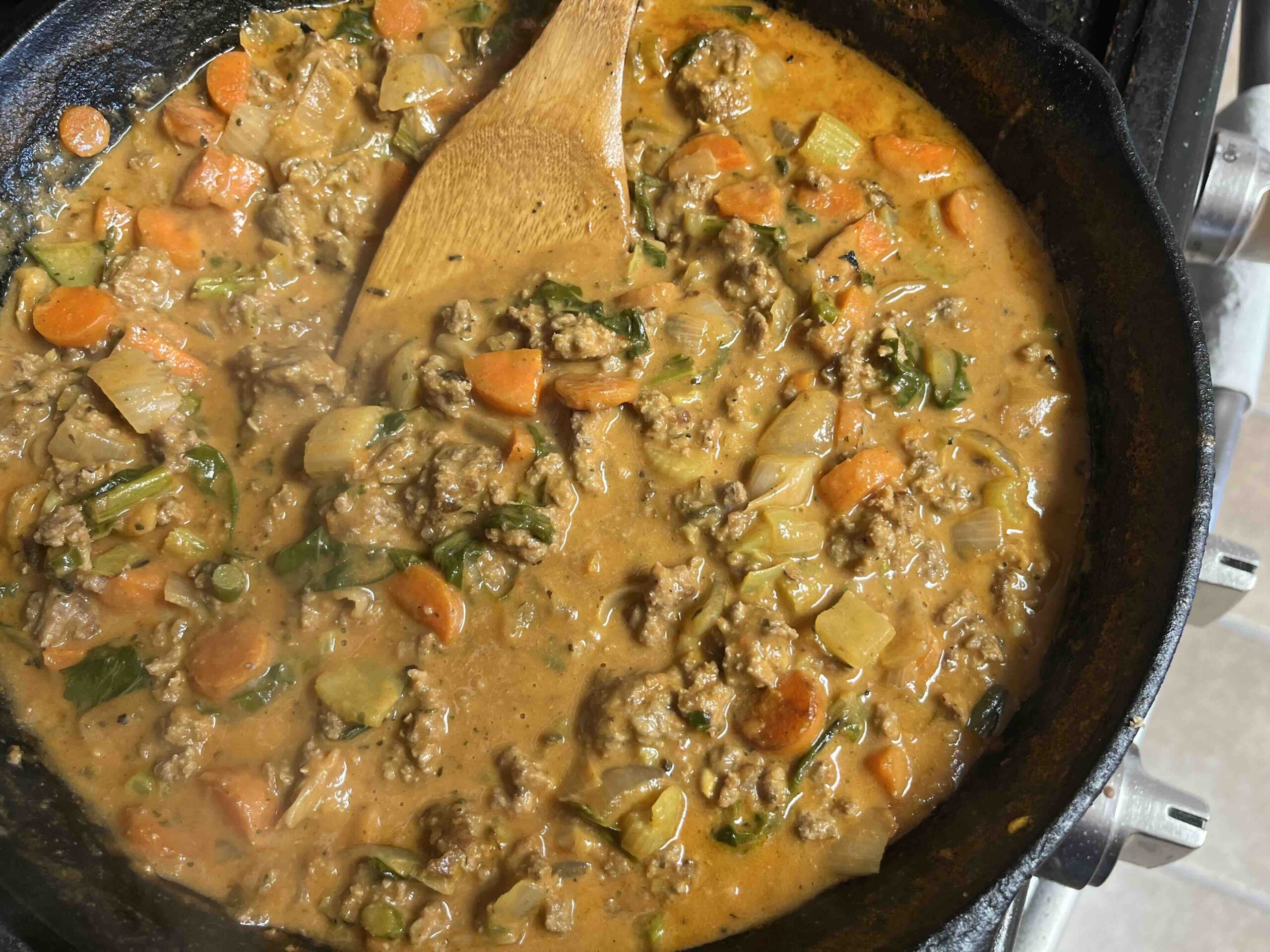



So thankful for your good meat!!!!!
Thank you for supporting us, Cindy!
So good to see!!